A history of VR
Walk through a history of VR,
in one game.
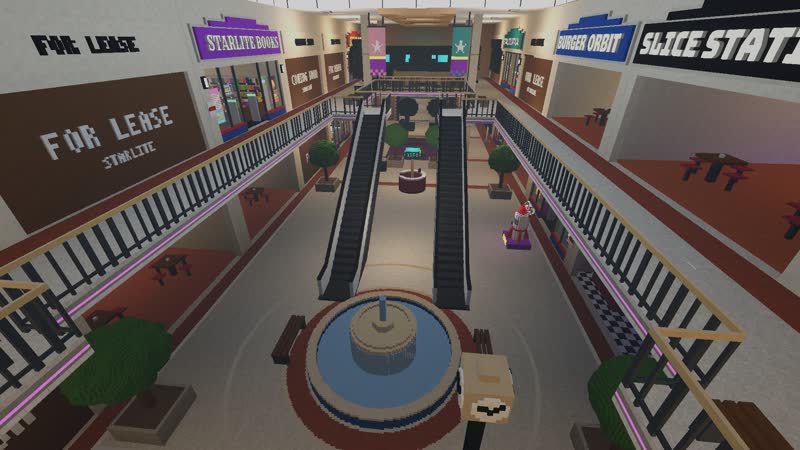
The trick behind every headset is from the 1830s. The first head-mounted display hung from a lab ceiling in the 1960s. The pods we're preserving came and went in the 1990s. Our plan for MallVR Starlite is a mall where each wing is one of those eras, so you can walk the whole story without leaving the building. Here's the short version.
The mall part is a plan, not a launch promise. Release 1 is the mall hub; the era wings come in updates.
-
1830s – 1950s
Two pictures, one for each eye
Take two photos a couple of inches apart, show the left one to your left eye and the right one to your right, and your brain builds the depth. That's the stereoscope, and from the 1850s on a viewer and a box of card photos sat in parlours everywhere. The 1950s added 3D movies and a reel viewer you clicked through. Every headset since runs on the same trick.
In the mall An antique shop with working stereo viewers loaded with public-domain photos.
-
1960s – 1980s
Headsets from the ceiling
In the late 1960s a university lab built the first head-tracked display. It was so heavy it hung from the ceiling. Through the 70s and 80s the military and space agencies built flight and training simulators, and a few labs sold data gloves and headsets to anyone with a research budget. Nothing in this era came anywhere near a shopping mall.
In the mall A lab-era display wing: simulators, gloves, the big grey boxes.
-
Early 1990s
VR comes to the mall
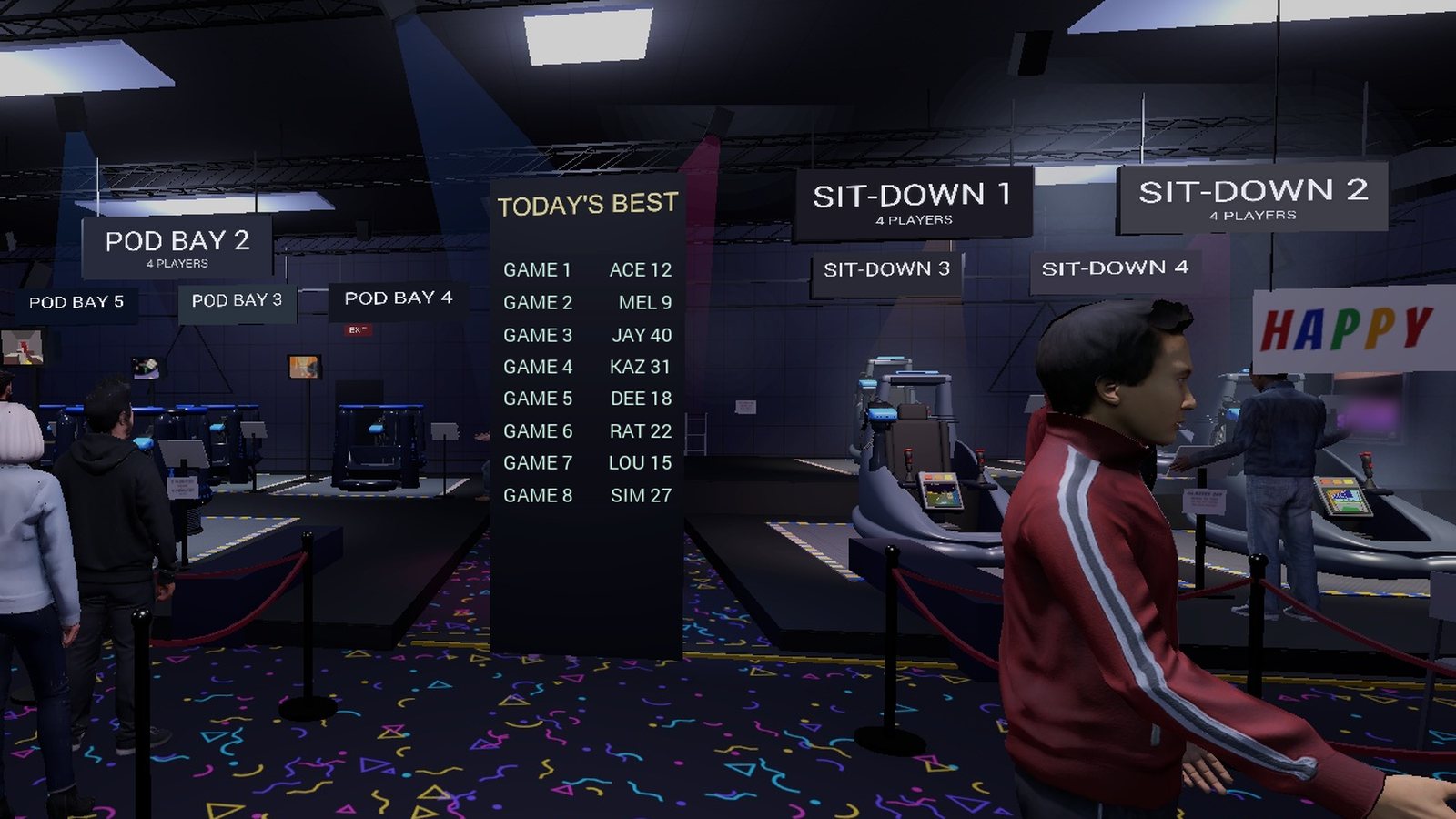
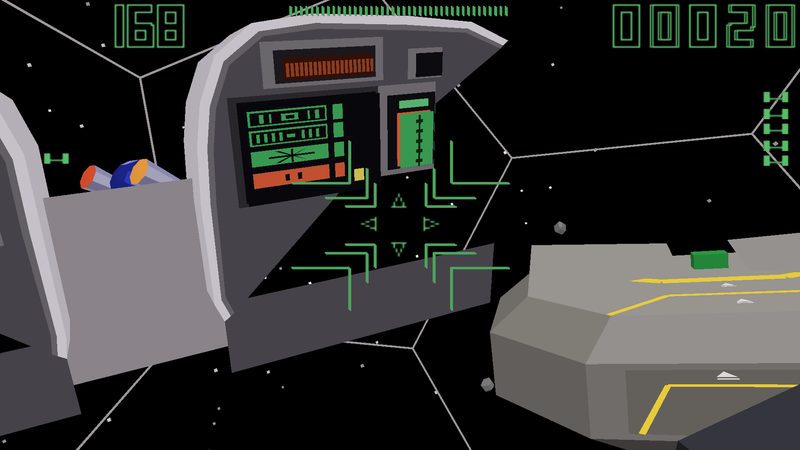
Stand-up and sit-down pods with headsets appear in arcades and malls, often linked so several players share one world. A few dollars buys a few minutes. At home, shutter glasses flicker a 3D picture onto the TV. For a couple of years, this is what the word "virtual reality" means to most people. The best known of those machines were the Virtuality pods, with games such as Dactyl Nightmare, Grid Busters and Legend Quest.
In the mall The VR arcade, which is where MallVR lives. MallVR is an emulator for those pods: it runs their games on a modern PC and headset.
-
Mid – late 1990s
Home headsets, and the first fade
Consumer headsets reach store shelves, a game company ships a red-and-black 3D console, and 3D worlds start loading in web browsers. Most of it is ahead of the hardware, and most of it is gone from shelves within a couple of years. Out in the arcades the pods get expensive to fix. They're scrapped, the drives get wiped, and some games vanish with them.
In the mall A 90s electronics shop with era hardware on display, as our own re-creations.
-
2000s
The quiet years
VR goes back to labs, simulators and theme parks. Stereo 3D keeps going in cinemas and, for a while, on living-room TVs. Headsets mostly disappear from homes. Nobody's queueing for anything.
In the mall Nothing yet. Suggestions welcome on Discord.
-
2012 – 2016
The Rift restarts everything
A shout-out to Palmer Luckey. He started building headset prototypes as a teenager, and one of them became the Oculus Rift. He took it to Kickstarter in August 2012, and the first developer kit, the DK1, shipped in March 2013. For the first time, a wide-field, head-tracked headset was something a developer could afford to put on a desk. A new wave of consumer VR followed, and without that restart there would be no cheap headsets to put these old games on.
In the mall A Rift-era demo shelf, with a dev-kit box we modelled ourselves. No logos, no likeness, just the credit.
-
Today
Headsets at home, again
Tracked controllers, room-scale play and standalone headsets with no PC attached put VR in millions of homes. Which makes this the right moment to get the 1990s pod games running again, in stereo, before the last machines and the last people who remember them are gone.
Today That's the job MallVR does: why the games are lost.
From our own builds
Our pictures only. No other companies' hardware photos, screenshots or logos.
Got a piece of this history in a closet?
Pods, drives, manuals, glasses, photos you took yourself. We credit every source and we'd like to see it.